
Creating a relaxing home office environment is essential for maintaining productivity and wellbeing while working from home. A calm, organised space can help reduce stress and increase focus, making your workday more enjoyable and efficient. Whether you have a dedicated room or a small corner in your home, these tips will guide you in designing a workspace that promotes relaxation and productivity.
Choose the Right Location
Find a Quiet Spot
Select a part of your home that is naturally quiet and away from high-traffic areas. Minimising distractions allows you to concentrate better and keeps your mind calm.
Consider Natural Light
Position your desk near a window if possible. Natural light boosts mood and energy levels, creating a pleasant ambience that reduces eye strain.
Invest in Comfortable Furniture
Ergonomic Chair and Desk
Choose an ergonomic chair that supports good posture and is adjustable. Your desk should be at a comfortable height to prevent strain on your wrists and shoulders.
Personalise with Cushions and Throws
Adding cushions or a soft throw to your chair not only enhances comfort but also adds a cosy touch to the space.
Declutter and Organise
Keep Only Essentials
Clear your desk of unnecessary items. Keeping the workspace tidy avoids distractions and helps your mind feel organised.
Use Storage Solutions
Incorporate shelves, drawers, or organisers to store paperwork and supplies neatly, making it easy to find what you need.
Incorporate Soothing Colours
Soft, Neutral Shades
Colours like soft blues, greens, or warm neutrals create a calming effect. Avoid overly bright or harsh colours that may cause agitation.
Use Accent Pieces
Add pops of colour through accessories like plants, pictures, or stationery to personalize the space without overwhelming it.
Add Greenery
Indoor Plants
Plants improve air quality and add a touch of nature to your office. Easy-care plants such as succulents, spider plants, or peace lilies are perfect for busy workdays.
Consider Scented Plants
Herbs like lavender or mint offer subtle scents that can be refreshing and soothing.
Control Lighting
Layer Your Lighting
Combine ambient lighting with task lighting to avoid harsh shadows and reduce eye fatigue.
Avoid Screen Glare
Position screens to minimise glare from windows or lights, which can cause strain and frustration.
Incorporate Relaxation Elements
Personal Touches
Include items that bring you joy or calm, such as artwork, motivational quotes, or photos.
Soundscapes and Music
Soft background music or nature sounds can help create a peaceful atmosphere and improve concentration.
Maintain Good Air Quality
Ventilation
Ensure your workspace has good airflow by opening windows or using fans when possible.
Air Purifying Devices
Consider an air purifier to keep the environment fresh, particularly if your space feels stuffy.
Set Boundaries and Routine
Dedicated Work Hours
Establish clear working hours to maintain a healthy work-life balance and reduce burnout.
Take Regular Breaks
Step away from your desk regularly to stretch, breathe fresh air, or practise mindfulness, helping your mind and body stay refreshed.
Final Thoughts
Designing a relaxing home office takes a bit of effort, but the benefits are worth it. By choosing a peaceful location, investing in comfortable furniture, adding natural elements, and keeping the space tidy, you can create a workspace that supports both your productivity and wellbeing. Remember, your home office should feel inviting and calm—a place where work becomes less stressful and more enjoyable.
Related Posts
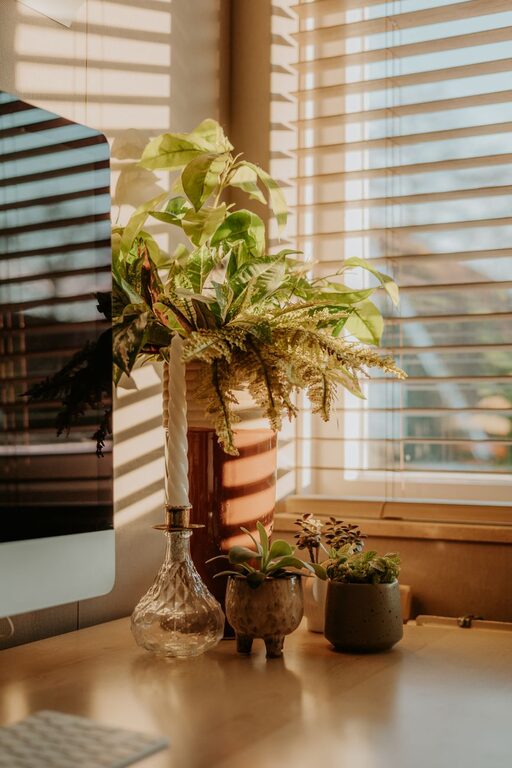
Creating a Cosy and Productive Home Office Space: Top Tips
Working from home has become increasingly common, and having a…
How to Create a Cosy Reading Nook in Any Room of Your Home
Creating a cosy reading nook in your home is a…
Tips for Creating a Cosy and Inviting Living Room on a Budget
Creating a cosy and inviting living room doesn’t have to…